
The Election Commission of India (ECI) has refused to disclose the name and version of the software used to identify errors and anomalies in voter rolls during the Special Intensive Revision (SIR) exercise, citing commercial confidence, trade secrets and intellectual property under the Right to Information (RTI) Act.
In its response to an RTI application filed by social activist MA Mujeeb Ayyub from Karimnagar, Telangana, the poll panel said that no new software had been developed or procured specifically for the SIR exercise. It also maintained that decisions regarding the inclusion or exclusion of voters are taken by Electoral Registration Officers (EROs) based on facts and records.
Election Commission cites trade secrets under RTI Act
The RTI application sought details of the software, application or artificial intelligence (AI) platform used to identify errors and inconsistencies in voter data. It also asked whether the system automatically flags records for verification, correction or deletion and whether AI, machine learning or predictive analytics tools were used during the process.
The applicant further sought information about safeguards against wrongful identification of genuine voters and the authority responsible for reviewing flagged records before any action is taken.
In response, the ECI invoked Section 8(1)(d) of the RTI Act, which exempts information involving commercial confidence, trade secrets or intellectual property when disclosure could harm a third party's competitive position.
The commission also said that questions concerning the use of automated systems, AI and safeguards sought clarification rather than information covered under Section 2(f) of the RTI Act.
ECI says electoral officers make final decisions
On the question of who reviews anomalies identified in voter records, the Election Commission cited Section 8(1)(g) of the RTI Act, which covers information whose disclosure could endanger a person's life or physical safety or reveal confidential sources.
The poll panel reiterated that the Electoral Registration Officer of the concerned constituency is the statutory authority responsible for preparing and revising electoral rolls under Sections 13B(1) and 13B(2) of the Representation of the People Act, 1950.
The commission's response did not identify the software used to detect anomalies or establish whether AI-based tools were involved in the process.

Former chief election commissioner suggests appeal
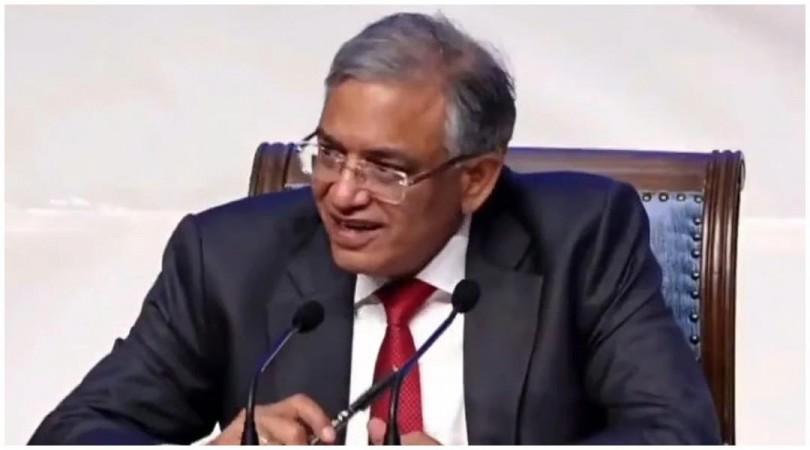
Former Chief Election Commissioner OP Rawat said the applicant should approach the competent authority through an appeal to seek the information.
The refusal comes amid scrutiny of the SIR exercise and concerns over alleged irregularities in electoral rolls. The revision process has drawn attention over the deletion of voter names and questions about the systems used to identify duplicate entries and inconsistencies.
The Election Commission, meanwhile, has maintained that its digital platforms operate under strict data security protocols and that electoral registration officers remain responsible for decisions on voter inclusion and exclusion.